Famara Total Trail 2026
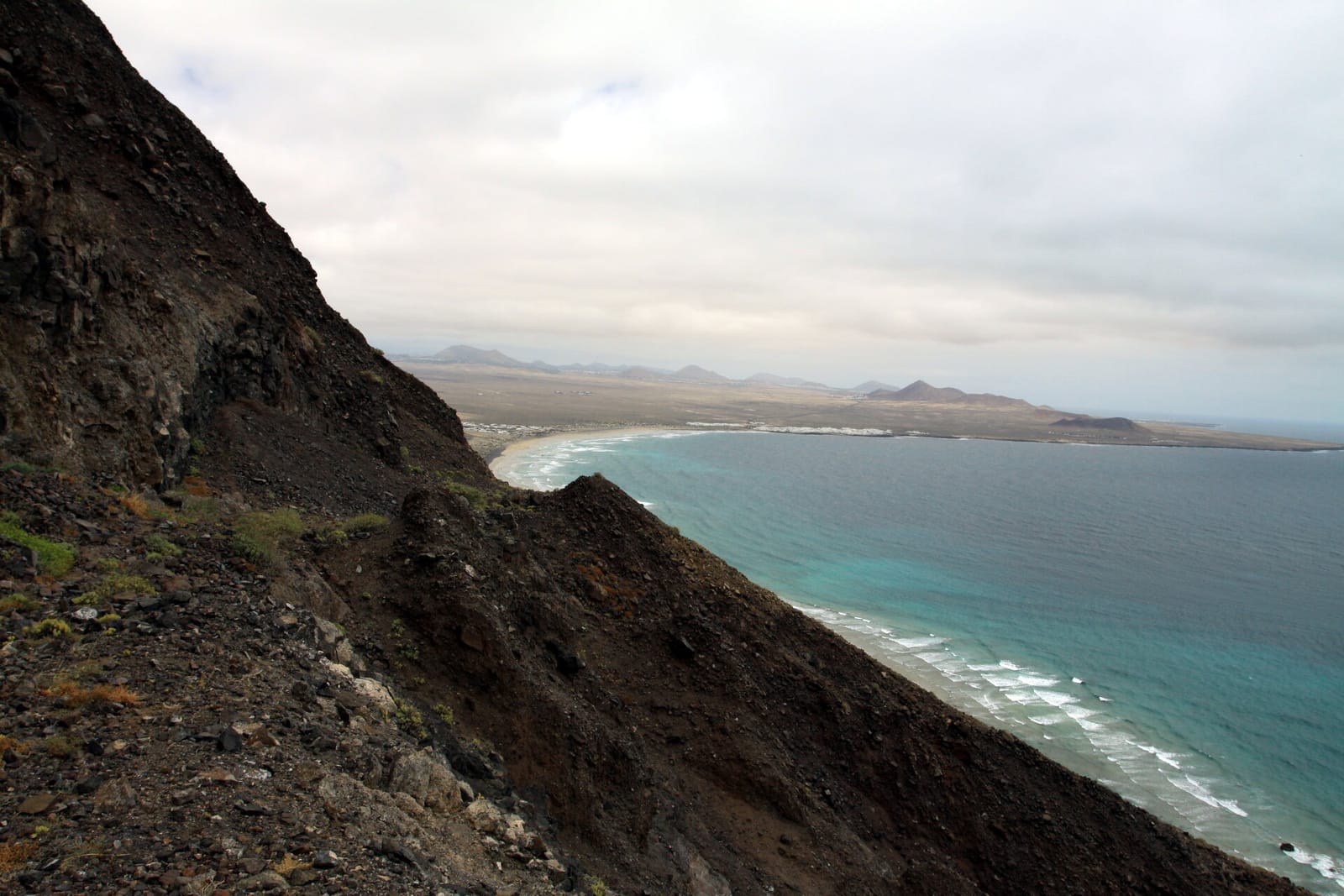
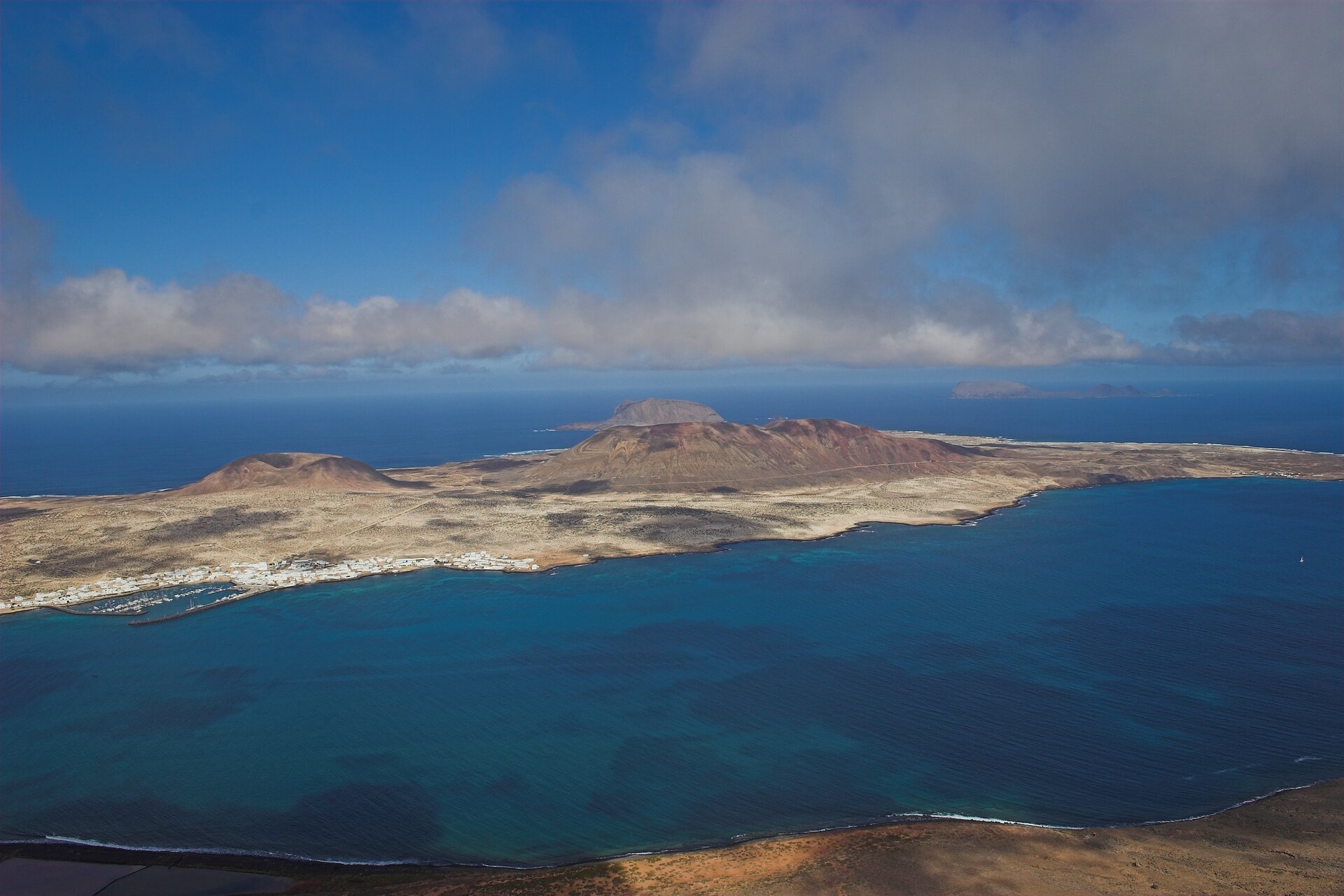
Famara Total Trail takes place August 14-16, 2026 on the Risco de Famara, the most dramatic landscape on Lanzarote. Four distances: 7.5K, 15K, 25K, and 50K. Every route runs along the Famara cliff face, a 670-metre wall dropping straight into the Atlantic, with views of La Graciosa island across the strait. The terrain is rocky volcanic trails, exposed ridgelines, and deep barrancos (ravines). This is proper trail running on raw volcanic ground, and it will test your legs in ways tarmac never does.
What is the Famara Total Trail?
The Famara Total Trail is part of the Lanzarote trail running calendar and draws athletes from across Spain and Europe. The event offers four distances to suit different levels: a short 7.5K for strong hikers and trail beginners, a 15K that covers the best cliff sections, a 25K that goes deep into the Famara massif, and a 50K ultra that is a full day on the mountain.
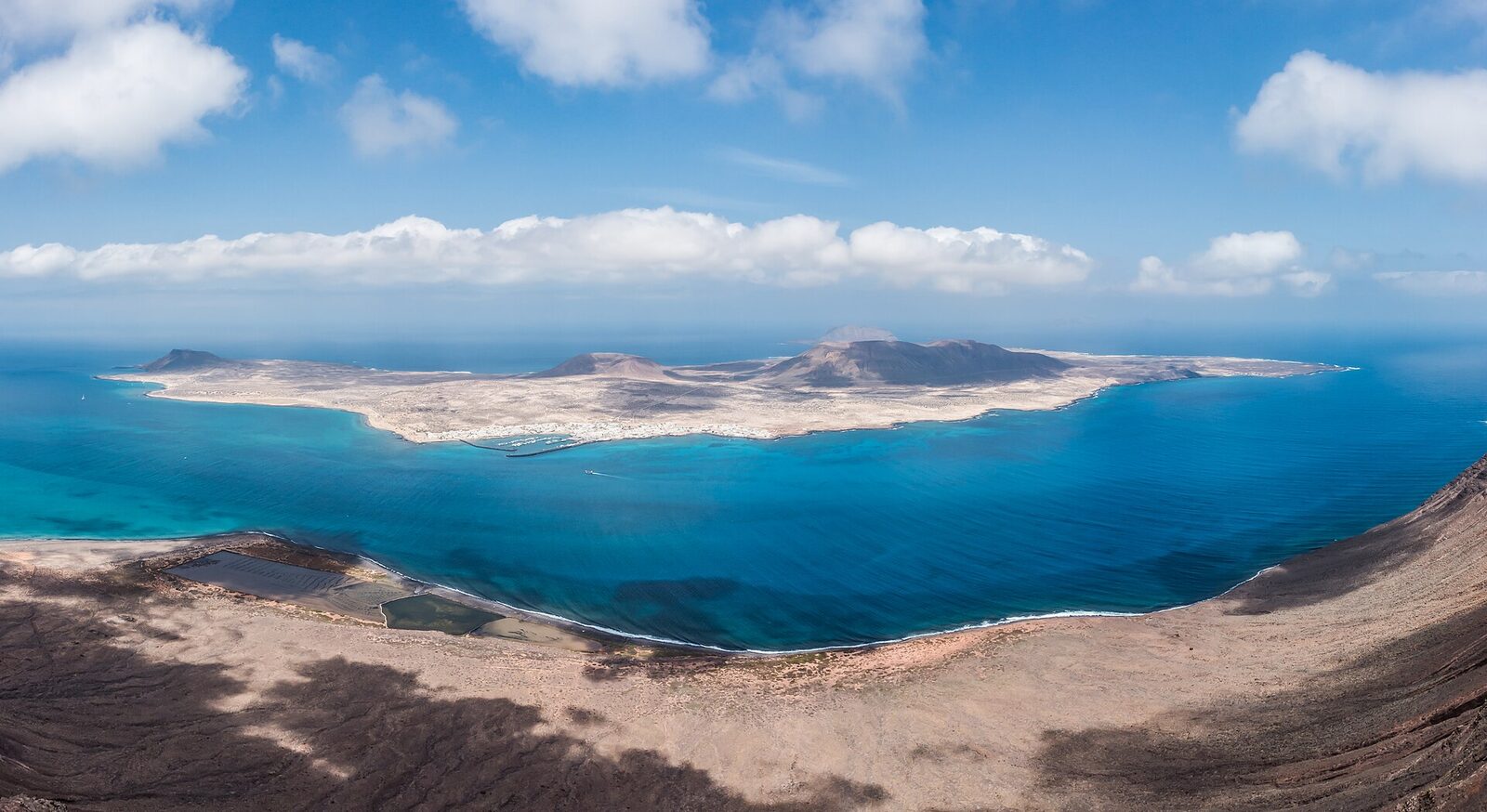
All routes share the same defining feature: the Risco de Famara. This is a cliff wall that runs for about 20 kilometres along the northwest coast of Lanzarote. At its highest point, you are 670 metres above the ocean. The views are constant. La Graciosa island sits directly across the El Rio strait. On clear days (most days), you can see the islands of Montana Clara and Alegranza beyond it. The cliff edge is exposed and the drop is real. This is not a manicured park trail.
The race starts early, typically around 06:00 for the 50K and staggered starts after that for shorter distances. August in Lanzarote means 28-30°C by midday, but the Famara cliffs catch the trade winds off the Atlantic. Up on the ridge, it can feel 5-8 degrees cooler than the coast. Still, sun protection is essential. There is zero shade on the entire course.
Where are the Famara cliffs?
The Famara cliffs are on the northwest side of Lanzarote, about 20 minutes by car from Costa Teguise. The small surf town of Caleta de Famara sits at the base of the cliffs, facing one of the longest beaches on the island. The cliffs themselves rise behind the town and extend north along the coast.
The area is largely undeveloped. No resorts, no big hotels. The town of Famara has a handful of surf shops, small restaurants, and a laid-back atmosphere that feels very different from the resort towns on the east coast. The Famara beach (Playa de Famara) is about 3 kilometres of golden sand, popular with surfers and kitesurfers. The waves here are consistent and the sunsets are the best on the island.
Above the beach, the cliff trails connect to the Camino de los Gracioseros, an old smuggler’s path that descends from the clifftop to the coast. Several of the race routes use sections of this historic trail.
How do I get from Costa Teguise to Famara?
Drive northwest on the LZ-10 through the historic town of Teguise. The road climbs through the volcanic interior and then drops down towards the coast. Total drive time is about 20 minutes, 15 kilometres. The road is well-maintained and easy to drive.
Parking at the race area is limited. For early start times (the 50K goes off around 06:00), you need to arrive by 05:00 at the latest to park and get to the start. Casa Los Alisios has parking right at the door. You load your gear the night before, set the alarm, and drive 20 minutes in the dark. No hotel lobby, no elevator, no searching for your car in an underground garage.
On the drive through Teguise, you pass the famous Sunday market location. If your race schedule allows, the Teguise market is worth a visit on a non-race day. It is the biggest market on Lanzarote with local crafts, food, and produce.
What distances can I run at Famara Total Trail?
7.5K: a short but technical loop along the lower cliff trails. Good for strong hikers, trail running beginners, and anyone who wants a taste of the Famara terrain without committing to a full day. Expect about 200-300 metres of elevation gain. Most runners finish in 40-70 minutes.
15K: the route that hits the best scenery. You climb to the clifftop, run along the ridge with La Graciosa views, and descend back to the start. Around 500-700 metres of climbing. This is the most popular distance and takes 1.5-3 hours depending on pace and terrain comfort.
25K: a serious day out. The route extends along the full Famara ridge and dips into the barrancos on the inland side. Expect 1,200-1,500 metres of total elevation gain. You need proper trail running experience, a hydration vest, and a nutrition plan. Most runners take 3-5 hours.
50K ultra: the full Famara experience. Over 2,500 metres of climbing across the entire massif. This is a mountain ultra on volcanic terrain with exposed ridgelines, technical descents, and relentless sun. Cutoff time is typically 12 hours. Mandatory gear includes a hydration vest, headlamp, emergency blanket, and whistle.
Is trail running in Lanzarote difficult?
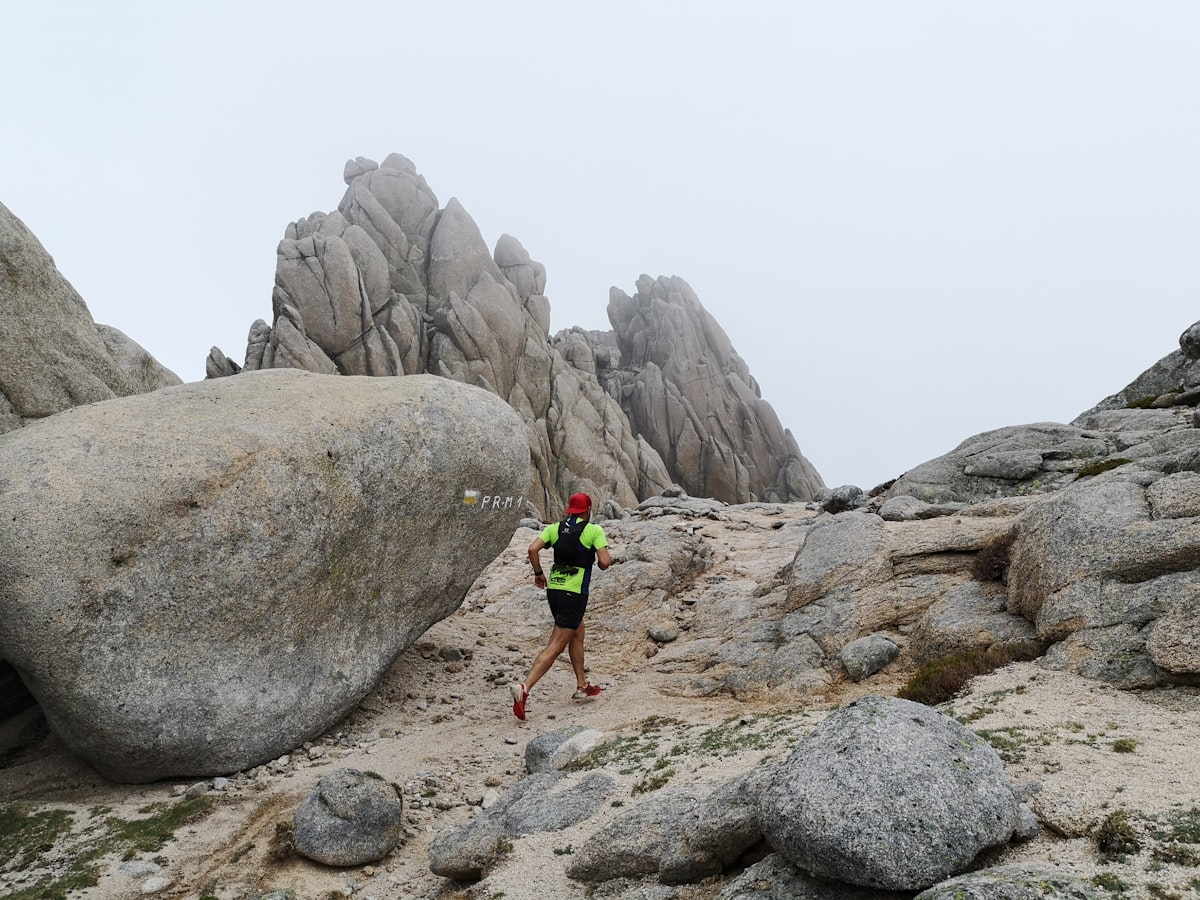
The terrain is the main challenge. Volcanic rock is sharp, loose, and uneven. One wrong step on a loose basalt stone can roll an ankle. The ground surface changes constantly: packed dirt, loose gravel, exposed bedrock, sand. Trail shoes with aggressive grip and a rock plate are essential for anything beyond the 7.5K.
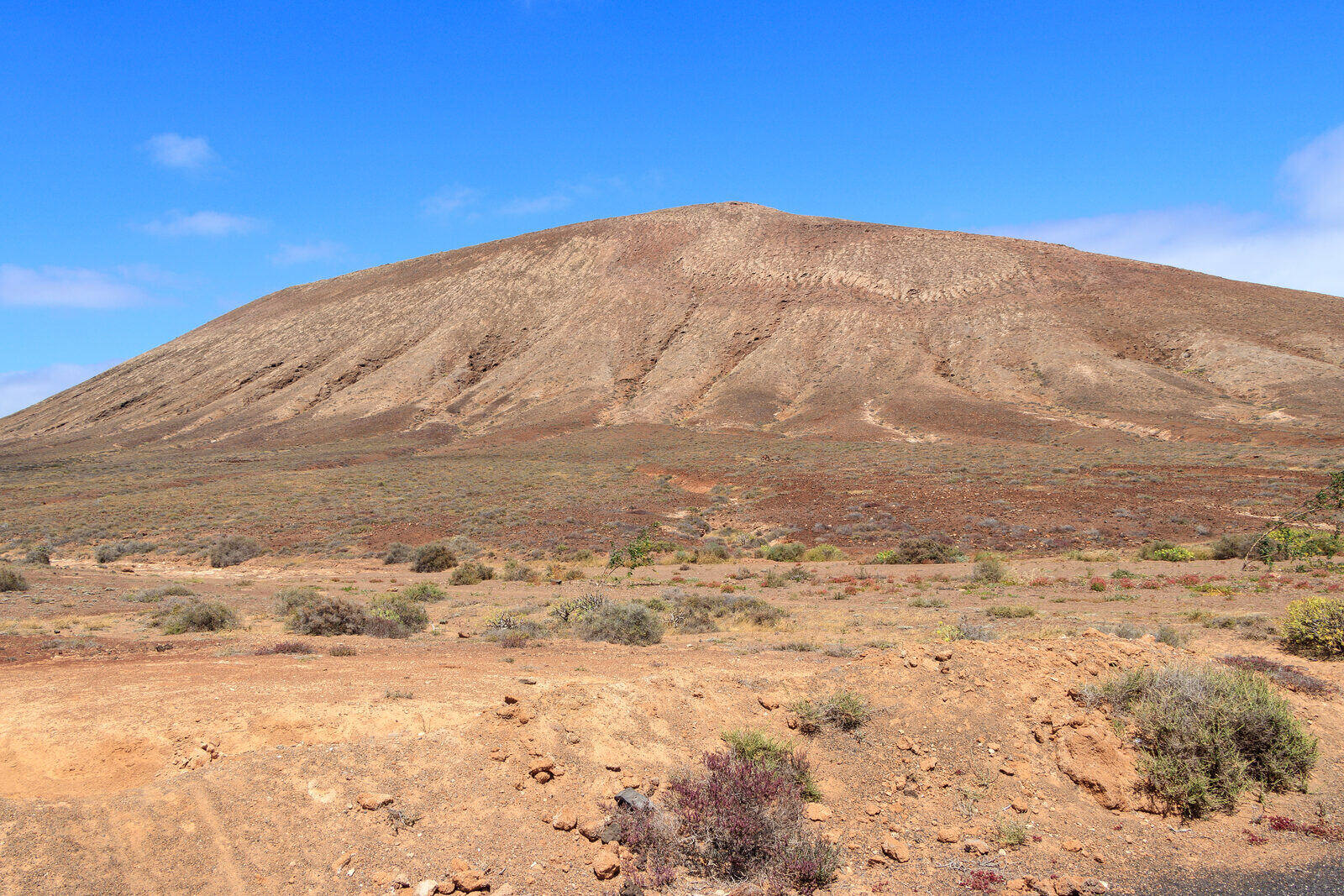
The other factor is exposure. There are no trees on the Famara cliffs. No shade, no shelter from wind. In August, the sun is intense even with the trade wind cooling effect. You will burn if you do not apply sunscreen before the start and carry more to reapply. A buff or cap is not optional.
The positive side: the views are constant and extraordinary. Every kilometre of ridgeline gives you ocean panoramas, island views, and volcanic landscapes. The terrain is technical enough to keep your focus, which makes the kilometres pass faster than on a monotonous road.
If you are new to trail running, train on uneven surfaces before you come. Practice on rocky paths, beach sand, or gravel tracks. Your ankles and stabiliser muscles need preparation that flat roads do not provide. The coastal path in Costa Teguise is a good warm-up route in the days before the race, though it is flat compared to Famara.
Where should I stay for the Famara Total Trail?
Caleta de Famara has a few small apartments and surf lodges, but options are limited and basic. Most runners stay in Costa Teguise or Arrecife and drive to the race. Costa Teguise is the better choice: it is the same distance as Arrecife but has beaches, restaurants, and a resort atmosphere to enjoy when you are not running.
Casa Los Alisios is built for exactly this. The entire villa is single level with no stairs. After a trail ultra on volcanic rock, stairs are the enemy. Your legs will not bend properly. You walk in, collapse on the sofa, and everything you need is on the same floor. The secure storage room holds your trail shoes, poles, hydration vests, and race gear. The full kitchen means you can prepare your own race nutrition the night before, or cook a proper recovery meal when you get back.
Spar supermarket is 3 minutes on foot for electrolytes, bananas, recovery food, and pre-race supplies. The 1 Gb WiFi handles GPS data uploads and race photo sharing without waiting around. Three bedrooms sleeping 6, so your whole trail crew fits under one roof.
If you are extending the trip beyond race day, there is a dedicated office with a motorized sit-stand desk for remote work between training sessions. The communal pool is right there for recovery. And the beaches of Costa Teguise are all within walking distance for salt water recovery the day after.
What can I do near Famara after the race?
The Famara area and the wider north of Lanzarote have plenty to fill recovery days:
- Caleta de Famara town: grab lunch at one of the small restaurants overlooking the beach. The fish here is fresh and cheap. The town has a surfer-hippie atmosphere that is completely different from the resort towns.
- Playa de Famara: 3 kilometres of beach, great for watching surfers or taking a long, flat recovery walk on the sand. Swimming here requires caution. The currents are strong and there is no lifeguard.
- Mirador del Rio: a Cesar Manrique-designed viewpoint at the northern tip of the island, about 25 minutes from Famara. Views over La Graciosa run 475 metres down to the channel. Check current entry prices at the CACT website.
- Haria: the “valley of a thousand palms,” a green village in the north. Good for a coffee stop and a change of scenery from the volcanic landscape. The Saturday market is small but worth a visit.
- Teguise Sunday market: on the drive back to Costa Teguise, the old capital hosts the biggest market on the island every Sunday. Crafts, food, local products.
- Jameos del Agua and Cueva de los Verdes: two volcanic cave attractions about 30 minutes from Costa Teguise. Jameos del Agua is a Cesar Manrique masterpiece and Cueva de los Verdes is a 6 km lava tube open for guided tours. Both are well worth a visit on a rest day.
For more running events during your stay, the Wine Run Lanzarote in June crosses La Geria’s volcanic vineyards, and Ironman Lanzarote in May is the island’s biggest endurance event. If you time it right, you can stack multiple races across a Lanzarote season.
Frequently Asked Questions
- What distances are available at Famara Total Trail?
- The event offers four distances: 7.5K, 15K, 25K, and 50K. All routes run along the Famara cliffs on the north side of Lanzarote, with ocean views throughout.
- How far is Famara from Costa Teguise?
- Famara is about 20 minutes by car from Costa Teguise, heading northwest through Teguise town.
- Is trail running in Lanzarote hot in August?
- Lanzarote in August averages 28-30C, but the Famara cliffs are exposed to trade winds which keep it cooler. The race starts early to avoid peak heat. Bring sun protection regardless.
- Do I need trail shoes for Famara Total Trail?
- Yes. The terrain is rocky volcanic ground with loose gravel, exposed ridgelines, and steep descents. Road running shoes will not give you enough grip or protection. Trail shoes with a rock plate are recommended for the longer distances.
- Can beginners run the Famara Total Trail?
- The 7.5K is accessible for fit beginners, though the terrain is technical compared to road running. The 15K requires trail running experience. The 25K and 50K are for experienced trail runners only.
Planning your trip? Book Casa Los Alisios